
Why Frameless Glass Balustrades Fail, How We Install Them Properly in Surrey & London
Frameless Glass Balustrades
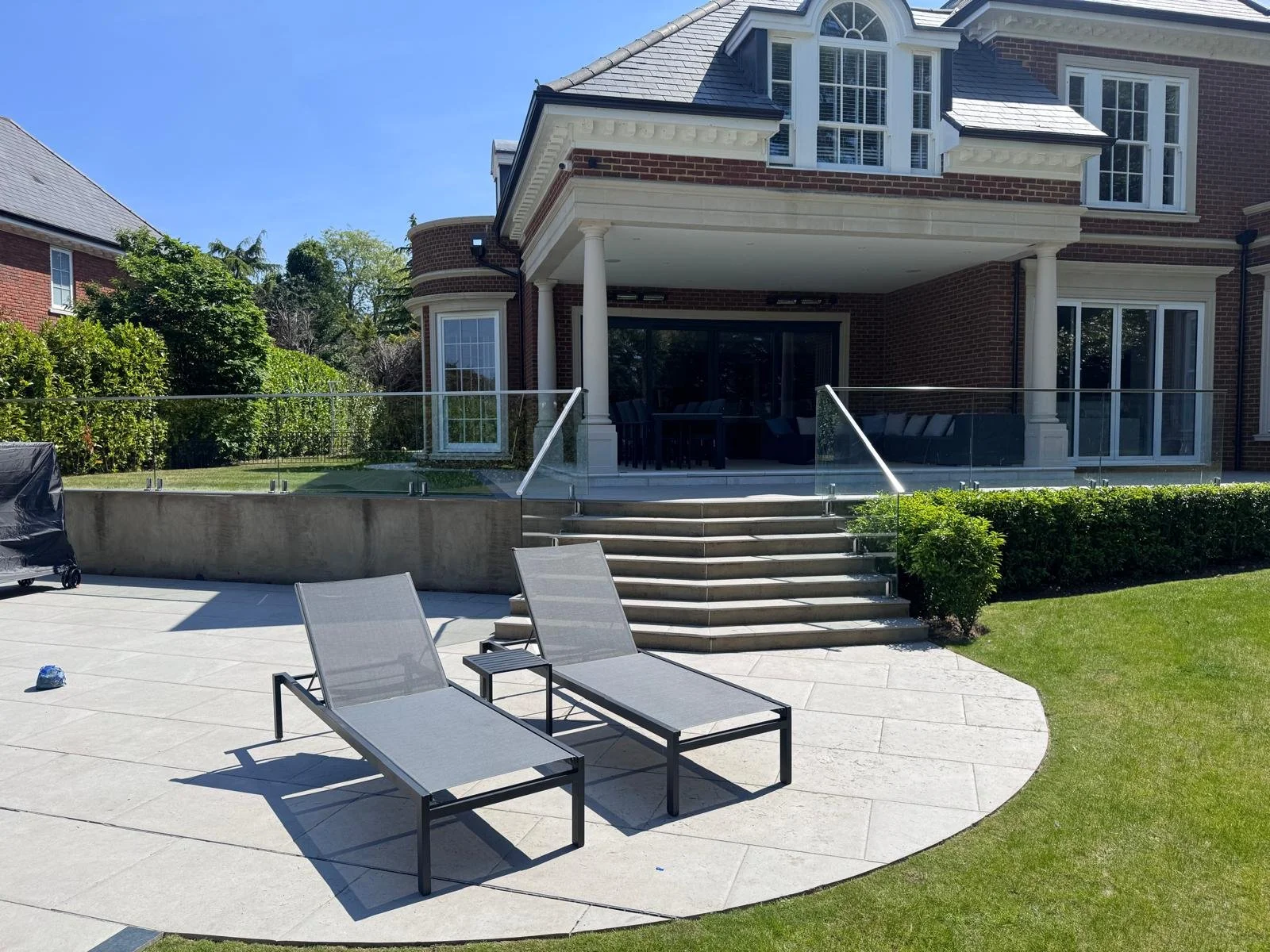
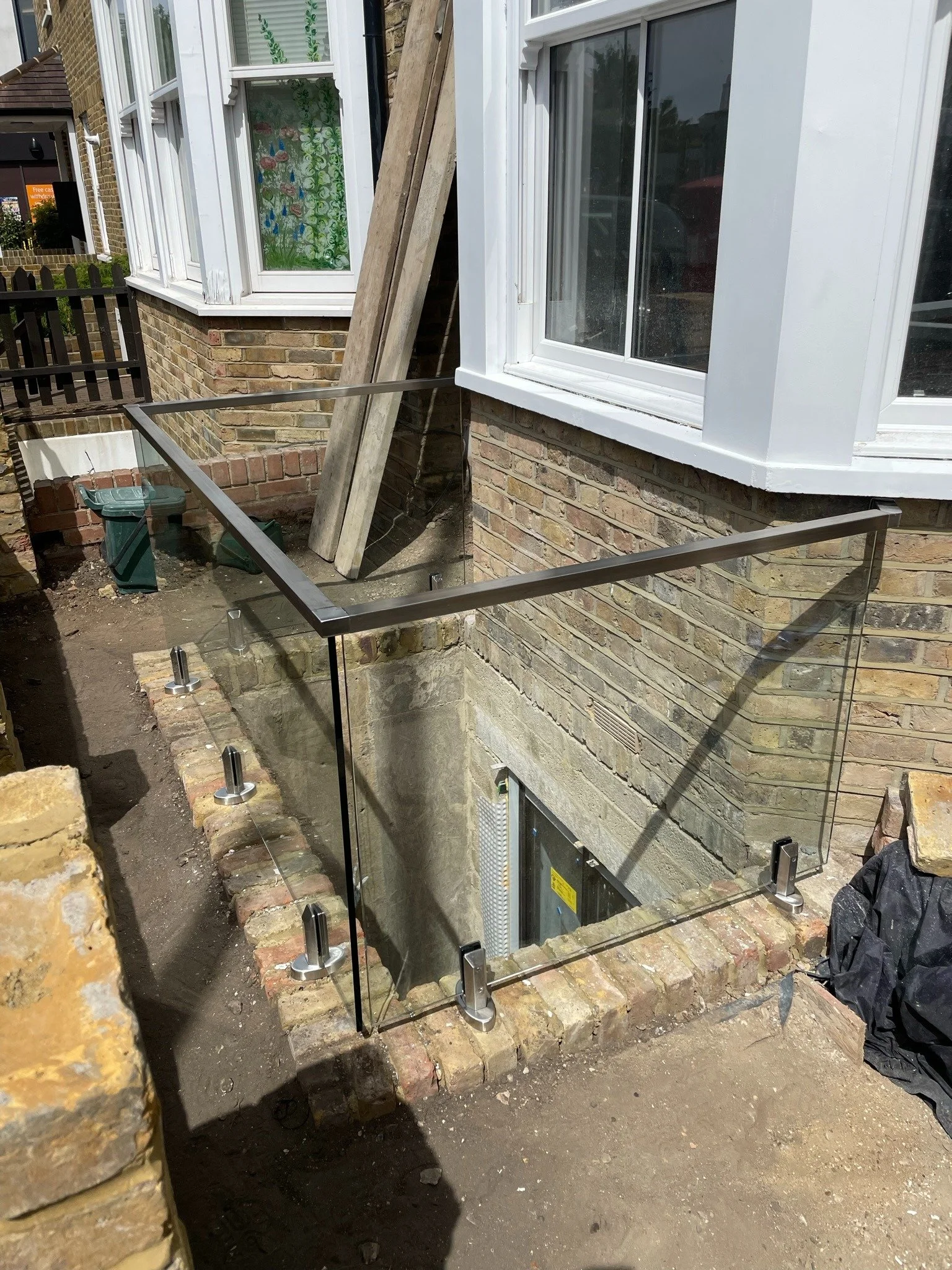
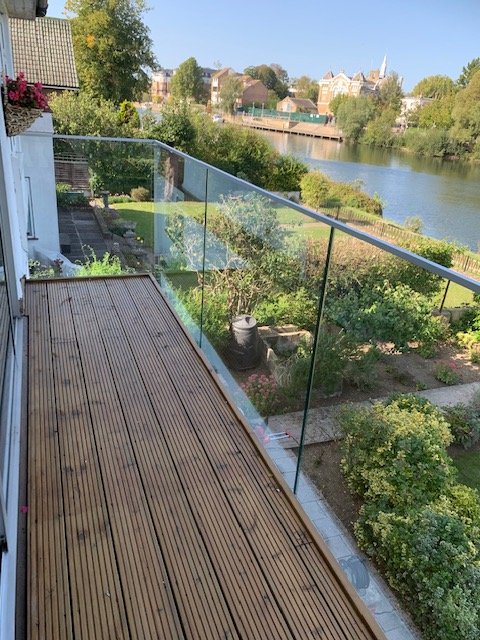
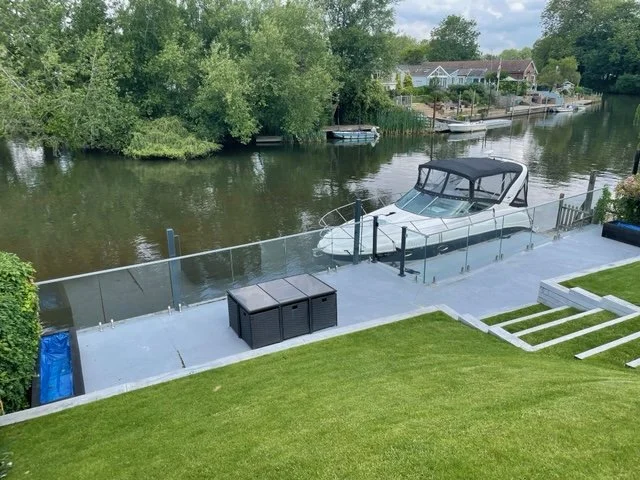
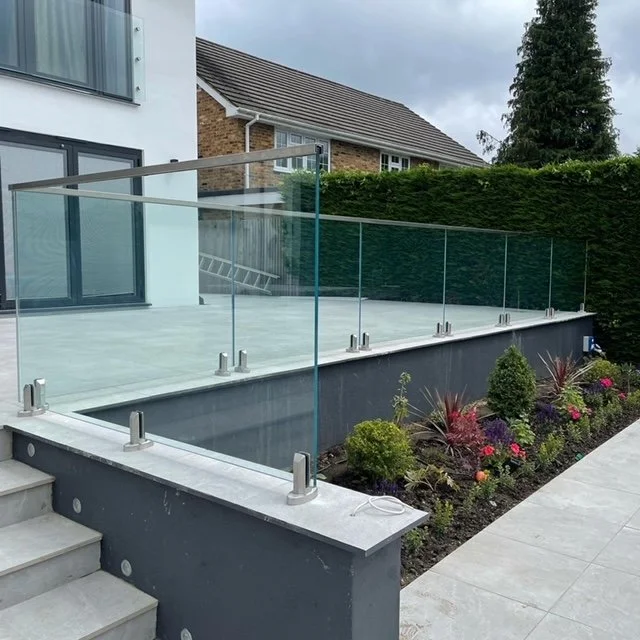
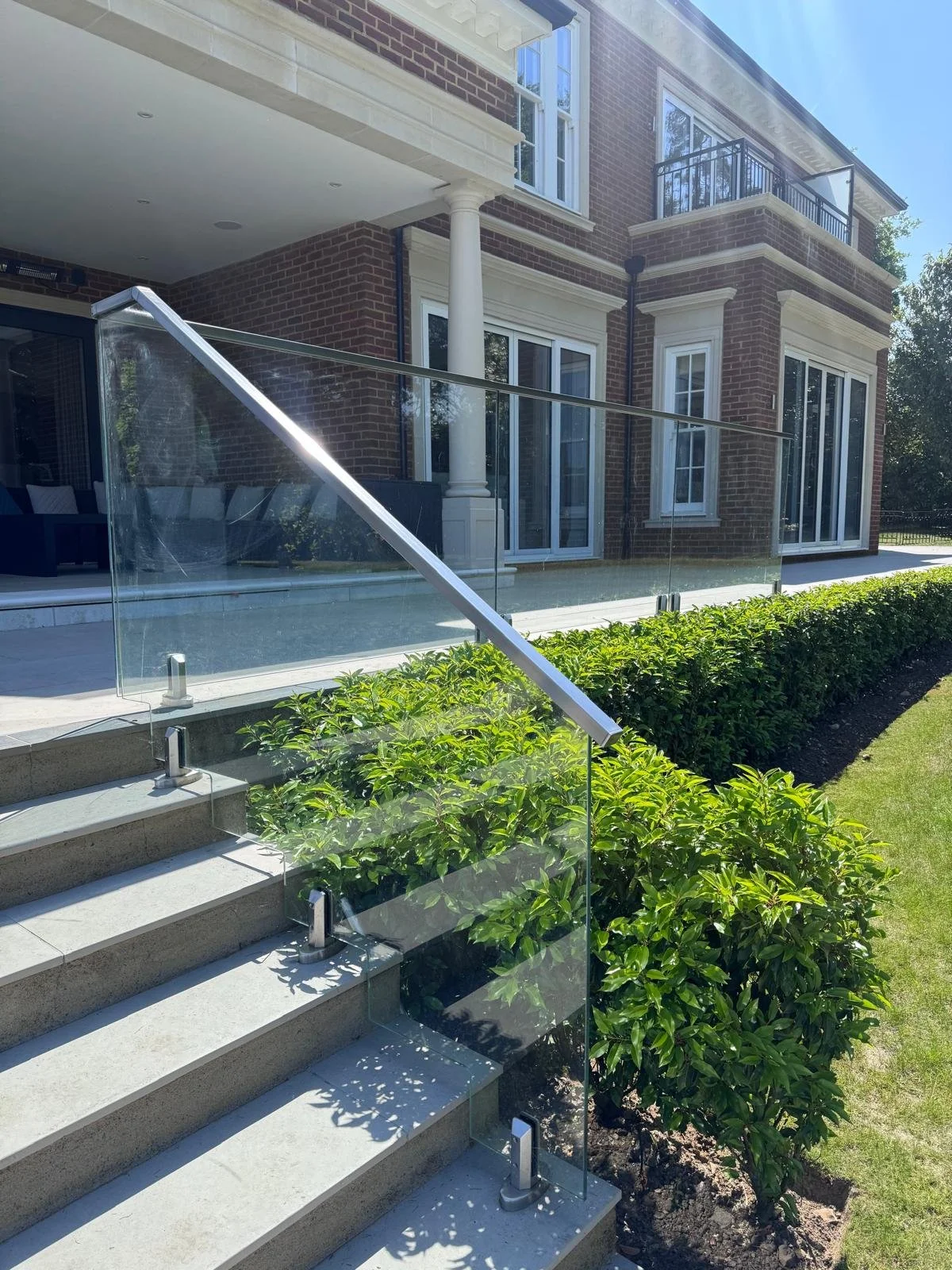
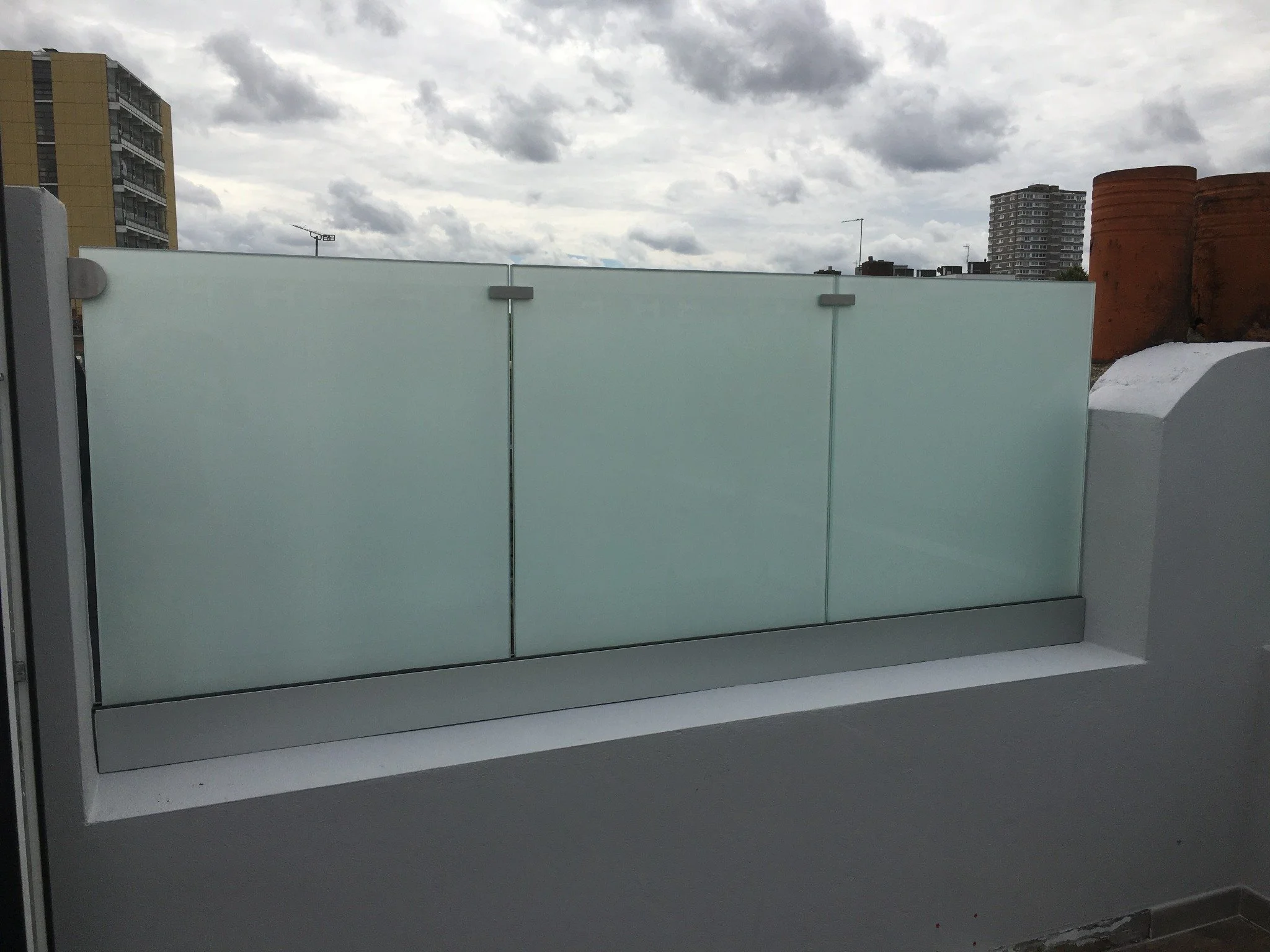
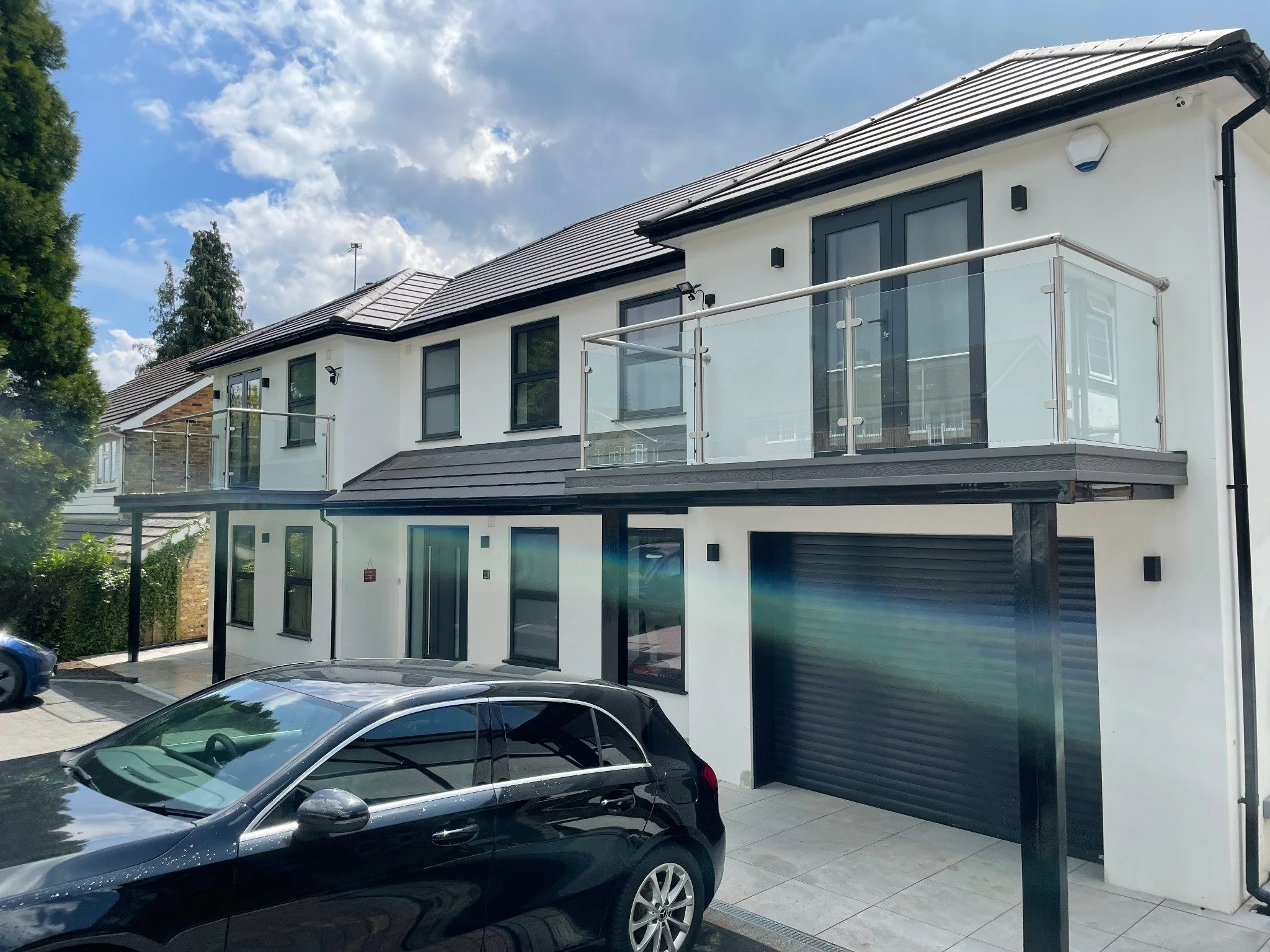
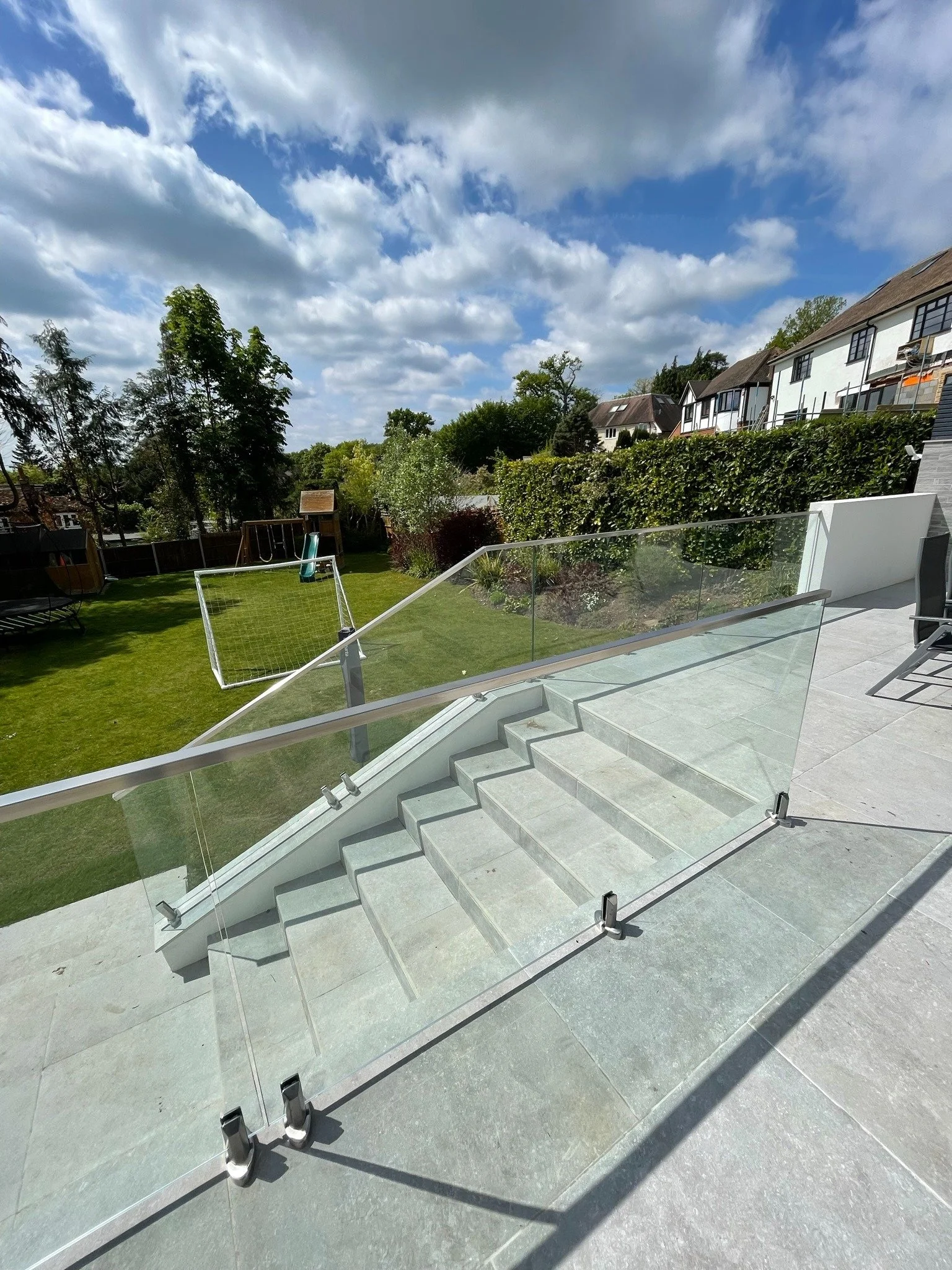
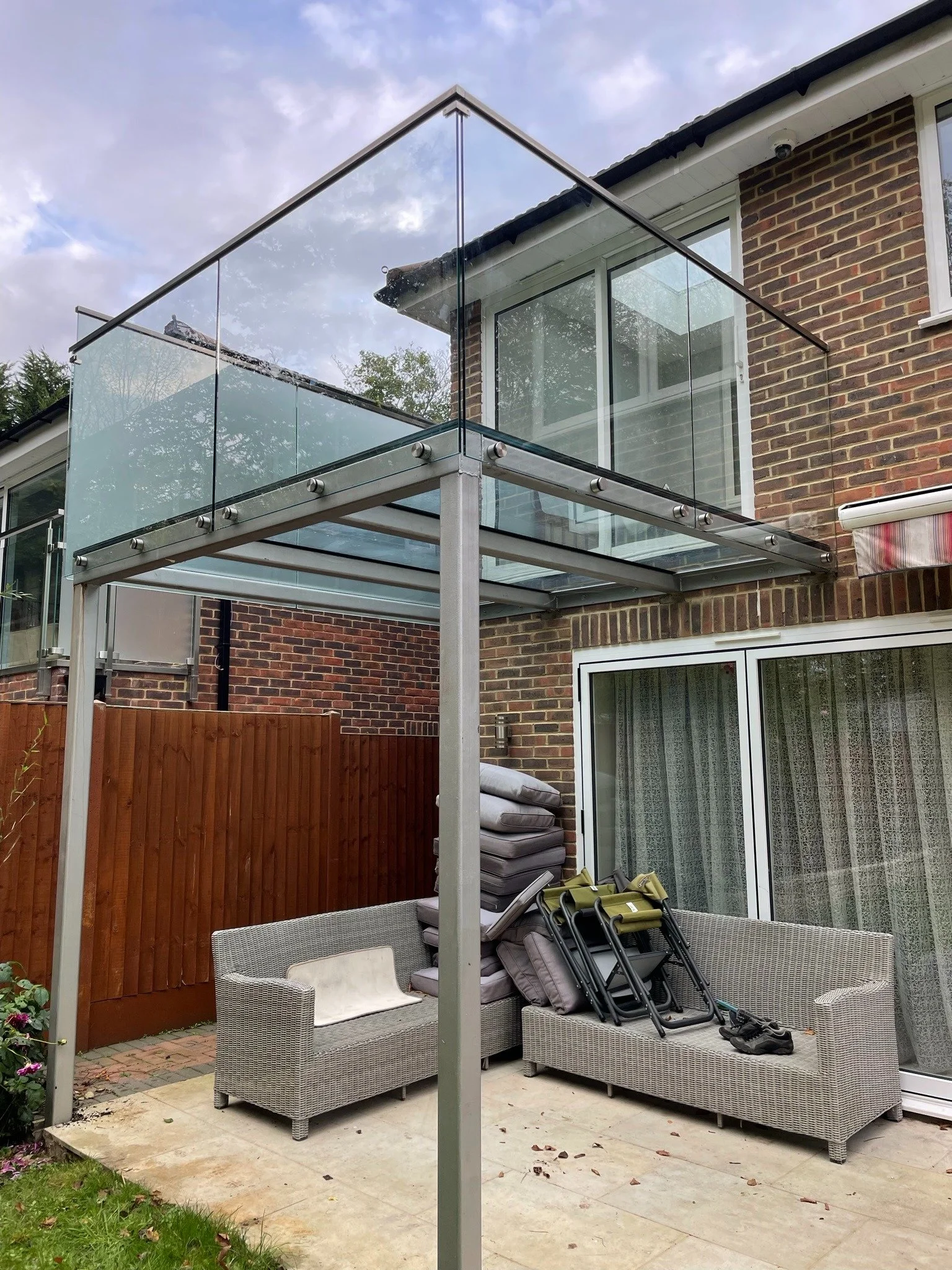
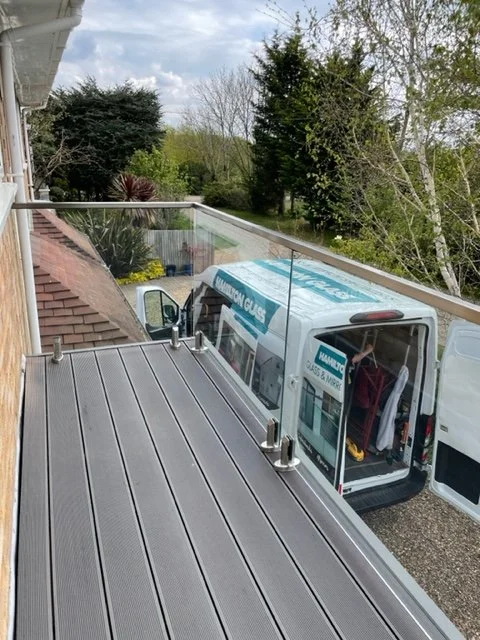
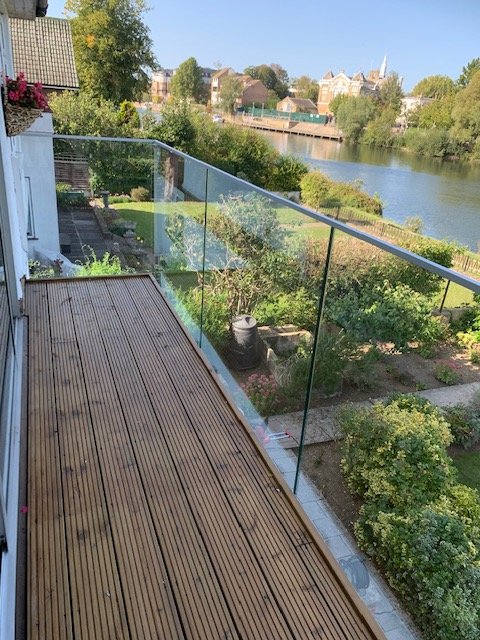
Frameless glass balustrades are one of the most requested architectural features in modern homes across Surrey and London.
They look clean. Minimal. Effortless.
But structurally, they are one of the most misunderstood glazing systems in residential construction.
At Hamilton Glass Products Ltd, based in Surbiton, we regularly assess installations that appear visually correct — yet are fundamentally incorrect beneath the surface.
A frameless glass balustrade is not decorative glazing.
It is a structural fall-protection system.
This article explains what goes wrong, what UK Building Regulations require, and how we install compliant systems across Surrey and South West London.
Frameless Glass Balustrade Regulations in the UK
Under Approved Document K (Protection from Falling, Collision and Impact), guarding is required where there is:
• A drop exceeding 600mm
• External balconies and roof terraces
• Internal staircases and landings
• Basement lightwells or raised patios
Minimum guarding heights are typically:
• 900mm – internal guarding
• 1100mm – external balconies, terraces and flat roofs
Height must be measured from finished floor level (FFL), not from the structural slab.
If decking, tiling or raised finishes are added after installation, the effective guarding height can be reduced below compliance.
This is one of the most common issues we see when assessing existing glass balustrades in Surrey properties.
Frameless glass balustrades must also be capable of resisting horizontal line loads and point loads in accordance with British Standards, depending on use category (residential or commercial).
Compliance is not optional.
It is structural.
1️⃣ The Biggest Mistake: Using the Wrong Glass
A frameless balustrade used for fall protection should not rely on monolithic toughened glass alone.
If toughened glass shatters, it disintegrates.
Laminated toughened safety glass retains structural integrity because the interlayer bonds the panel together even after breakage.
For residential roof terraces, balconies and raised patios in Surrey and London, laminated glass is typically required where the balustrade acts as primary guarding.
Correct specification generally includes:
• Laminated toughened safety glass
• Appropriate interlayer thickness
• Load-rated glass build-up
• Height compliance to 1100mm externally
This is not a design preference.
It is a safety requirement.
2️⃣ The Hidden Failure: Incorrect Corner Details
We regularly see systems where:
• Base channels are simply butted together
• Corners are not mechanically tied
• Installers rely on aluminium cover caps to hide joins
Once the cover cap is fitted, the weakness is hidden.
But the corner is not structurally continuous.
That means the system relies on appearance — not engineered performance.
Our corner detailing ensures:
• Structural continuity
• Mechanical fixing at returns
• Proper load distribution across changes in direction
This is especially critical on roof terraces and raised decks where horizontal load transfer must be controlled.
3️⃣ Channel Fixing: What’s Beneath the Surface
A frameless glass balustrade is only as strong as its fixing.
We assess:
• Substrate type (concrete, steel, timber)
• Edge distance and fixing depth
• Waterproofing layers
• Structural integrity of the deck
• Load category for intended use
For standard residential applications, horizontal line load requirements can typically be around 0.74kN/m — but this varies depending on classification.
This affects:
• Glass thickness
• Lamination build-up
• Channel embedment depth
• Whether a continuous top rail is required
Incorrect anchoring can compromise the entire guarding system.
We never assume.
We survey and specify accordingly.
4️⃣ Do Frameless Glass Balustrades Need a Handrail?
Whether a frameless glass balustrade requires a top rail is not an aesthetic decision.
It is a structural calculation decision.
Some systems require a continuous stainless steel top rail to:
• Limit glass deflection
• Distribute horizontal load
• Provide additional edge protection
Other systems, when correctly laminated and calculated, may not require a handrail.
The requirement depends on:
• Glass thickness
• Panel height
• Fixing method (base channel, spigots, side-mounted)
• Structural performance under load
Specification should drive design — not preference.
5️⃣ Basement Lightwells & Raised Drops
Basement lightwells, split-level gardens and raised terraces are often overlooked.
If the drop exceeds 600mm, guarding is required.
This applies to:
• Lightwells
• External stair openings
• Riverside decks
• Raised patios
Frameless laminated glass provides compliant fall protection while maintaining uninterrupted visibility.
Typical Residential Frameless Balustrade Specification
For residential installations in Surrey, a compliant frameless system will typically include:
• Laminated toughened safety glass
• 17.5mm–21.5mm build-up (subject to calculation)
• 1100mm external guarding height
• Structurally fixed aluminium base channel or tested spigot system
• Mechanically tied corner details
• Load-rated fixing into suitable substrate
Every installation must be assessed individually.
Why We Don’t Cut Corners
At Hamilton Glass Products Ltd, Surbiton, we:
• Template precisely
• Process glass in-house
• Specify laminated toughened panels
• Install structurally correct corner details
• Fix channels correctly into the substrate
• Finish cleanly with minimal lines
The result is a system that is:
• Safe
• Structurally compliant
• Architecturally minimal
• Built to last
Not just visually clean — but technically correct.
Frequently Asked Questions About Frameless Glass Balustrades
What height should a frameless glass balustrade be in the UK?
1100mm externally and typically 900mm internally, measured from finished floor level.
Do I legally need laminated glass for my balcony?
In most fall-protection applications, laminated toughened glass is required to maintain guarding integrity after breakage.
Does decking affect compliance height?
Yes. Guarding height is measured from finished floor level. Additional finishes can reduce effective compliance.
Are frameless glass balustrades safe?
When correctly specified, laminated and structurally fixed — yes. Incorrectly specified systems can fail.
Do you install glass balustrades in Surrey and London?
Yes. We design and install compliant frameless glass balustrade systems across Surrey, Surbiton, Kingston and South West London.