
UV Bonded Glass: Frameless Furniture, Museum Showcases & Luxury Display Cabinets
UV bonding is a specialist glass fabrication technique that allows glass panels to be permanently joined without frames, screws or visible fixings. Using ultraviolet-activated adhesives, glass can be bonded to glass or glass to metal to create seamless display cabinets, museum showcases and modern glass furniture.
At Hamilton Glass Products in Surbiton, Surrey, we manufacture precision UV bonded glass structures for retail displays, jewellery cabinets, museums, collectors, furniture designers and bespoke interior projects across Surrey and London.
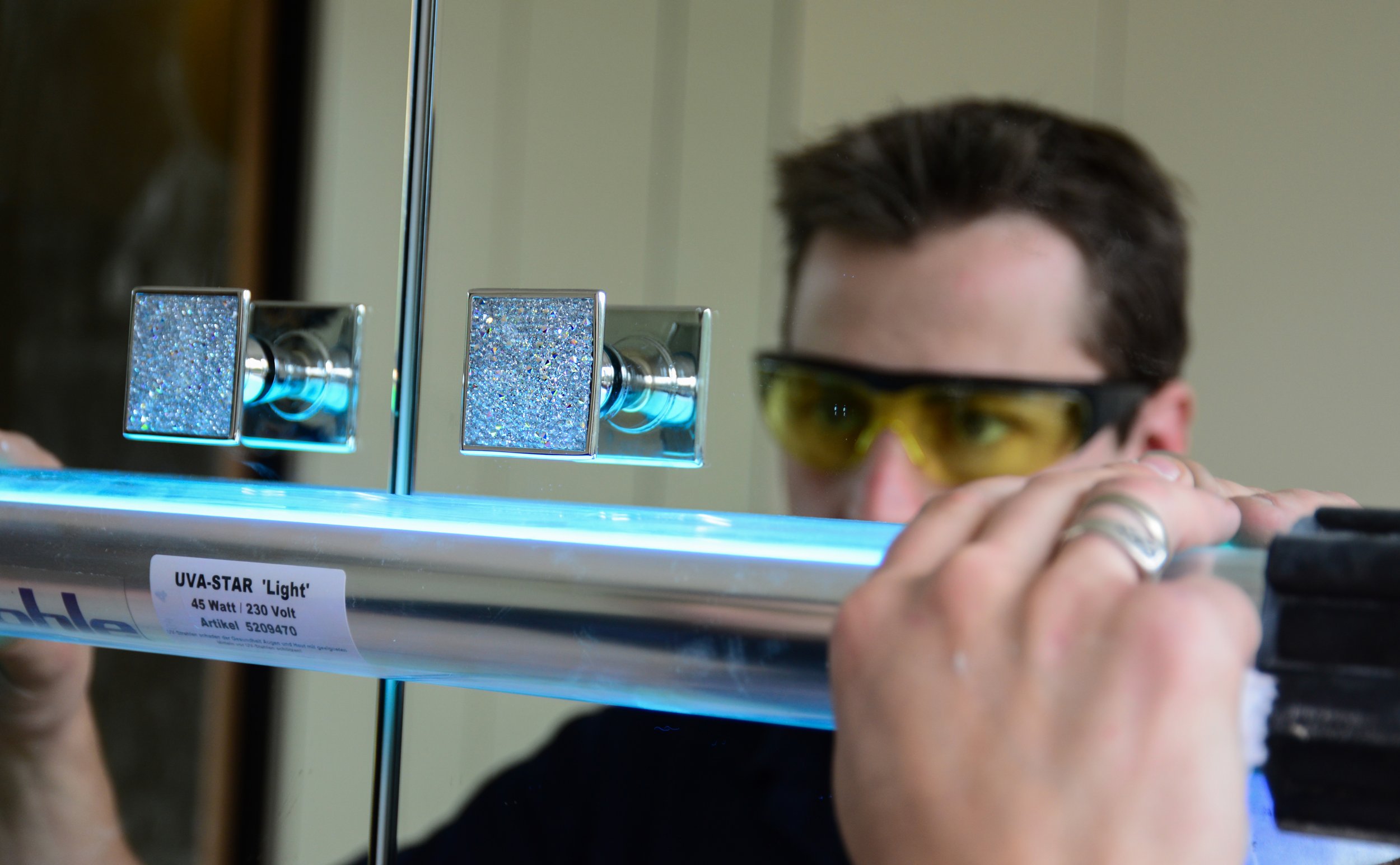
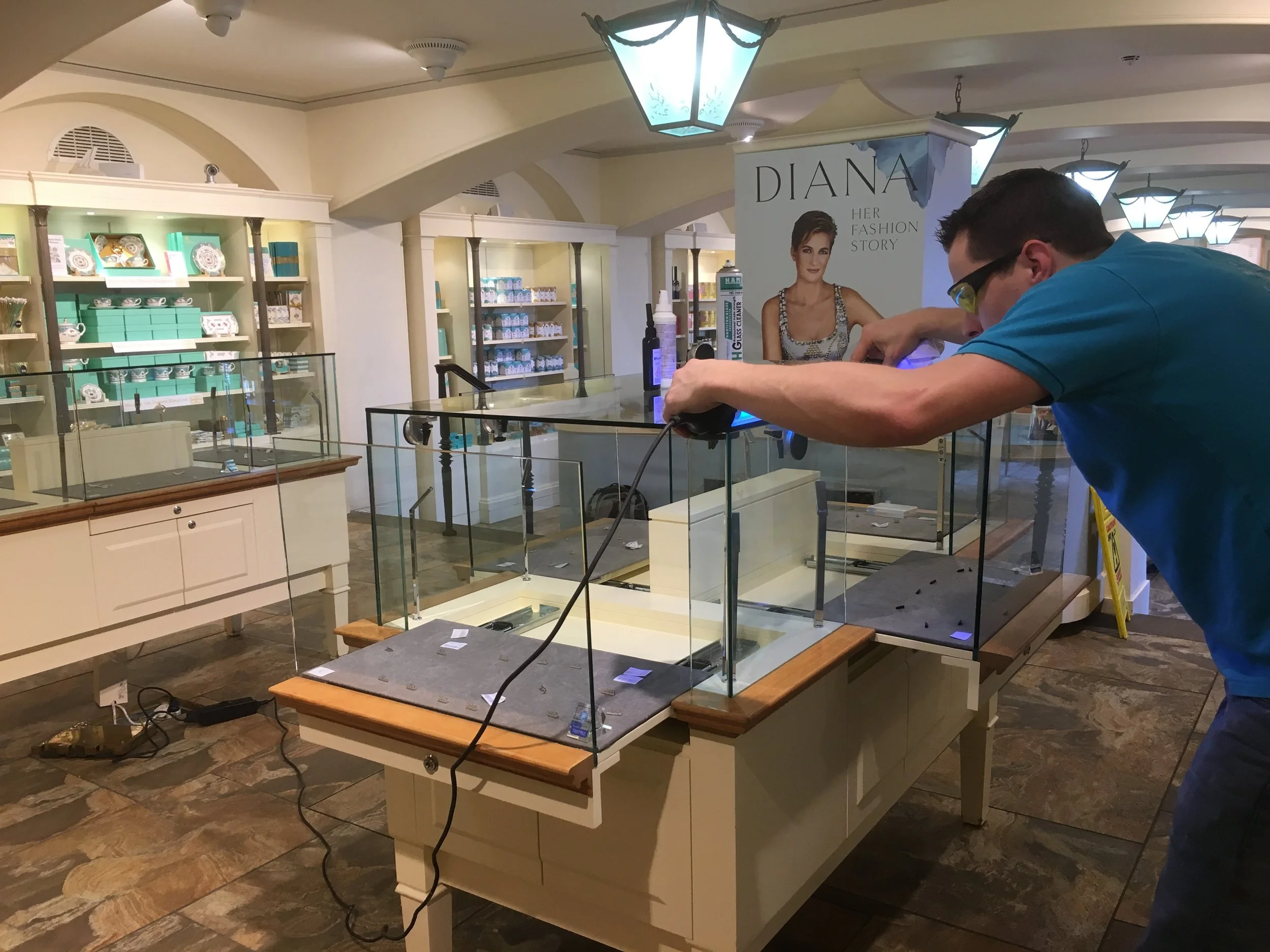
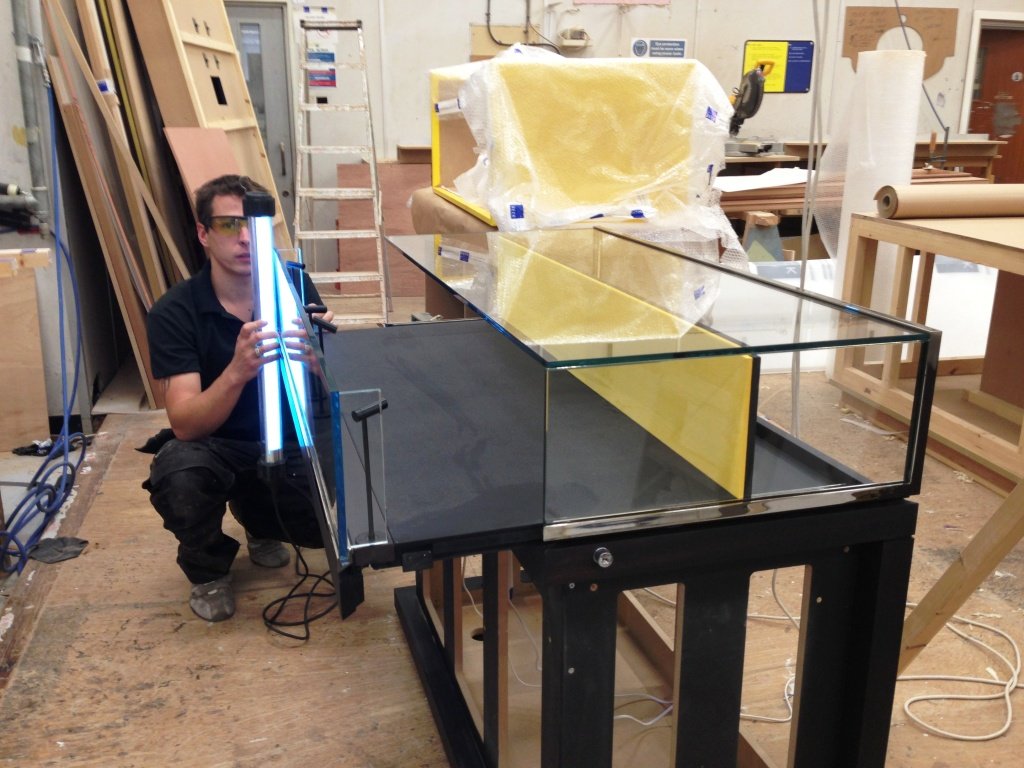
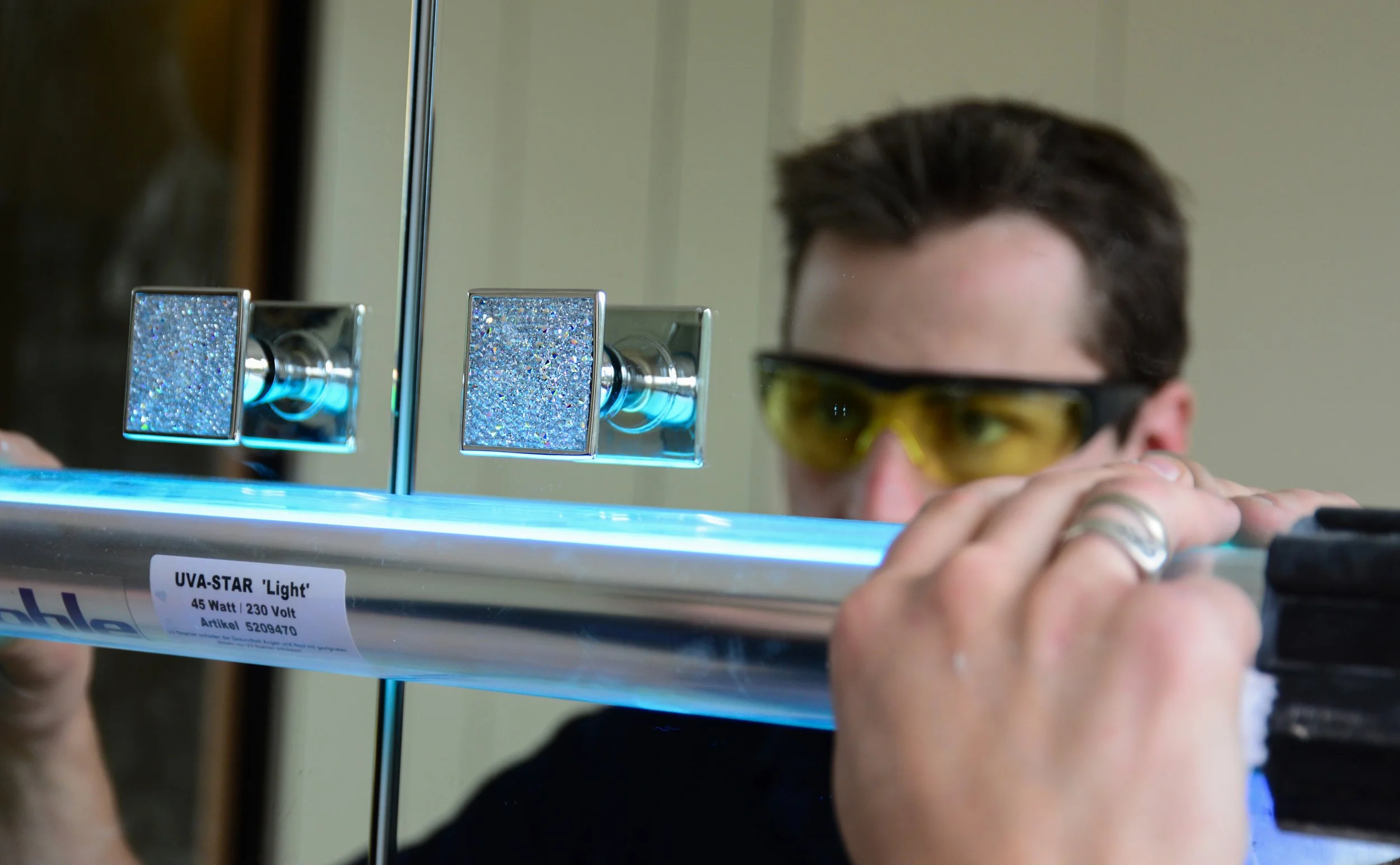
UV bonding glass to metal fittings using ultraviolet curing light during glass fabrication at Hamilton Glass Products in Surbiton.
Hamilton Glass Products specialises in precision UV bonding for glass-to-glass and glass-to-metal structures. Using specialist ultraviolet curing adhesives, we manufacture seamless glass displays, museum showcases, retail cabinets and bespoke glass furniture.
Our workshop in Surbiton, Surrey allows us to fabricate custom glass components with polished edges, accurate alignment and invisible bonded joints. This process is ideal for frameless glass structures where strength, clarity and design are essential.
UV bonding is commonly used for:
✔ Museum showcases
✔ Jewellery displays
✔ Glass furniture
✔ Retail display cabinets
✔ Specialist exhibition installations
This process is widely used to manufacture UV bonded glass display cabinets for museums, galleries and retail environments.
What Is UV Bonding in Glass Fabrication?
UV bonding is a process where a specialist optical adhesive is applied between glass components and cured using ultraviolet light.
When exposed to UV light, the adhesive cures instantly to form a strong and crystal-clear bond. This creates almost invisible joints that allow glass structures to be built without screws, brackets or visible fixings.
The result is clean architectural glass structures used in:
• museum showcases
• jewellery displays
• glass furniture
• retail display cabinets
• specialist exhibition installations
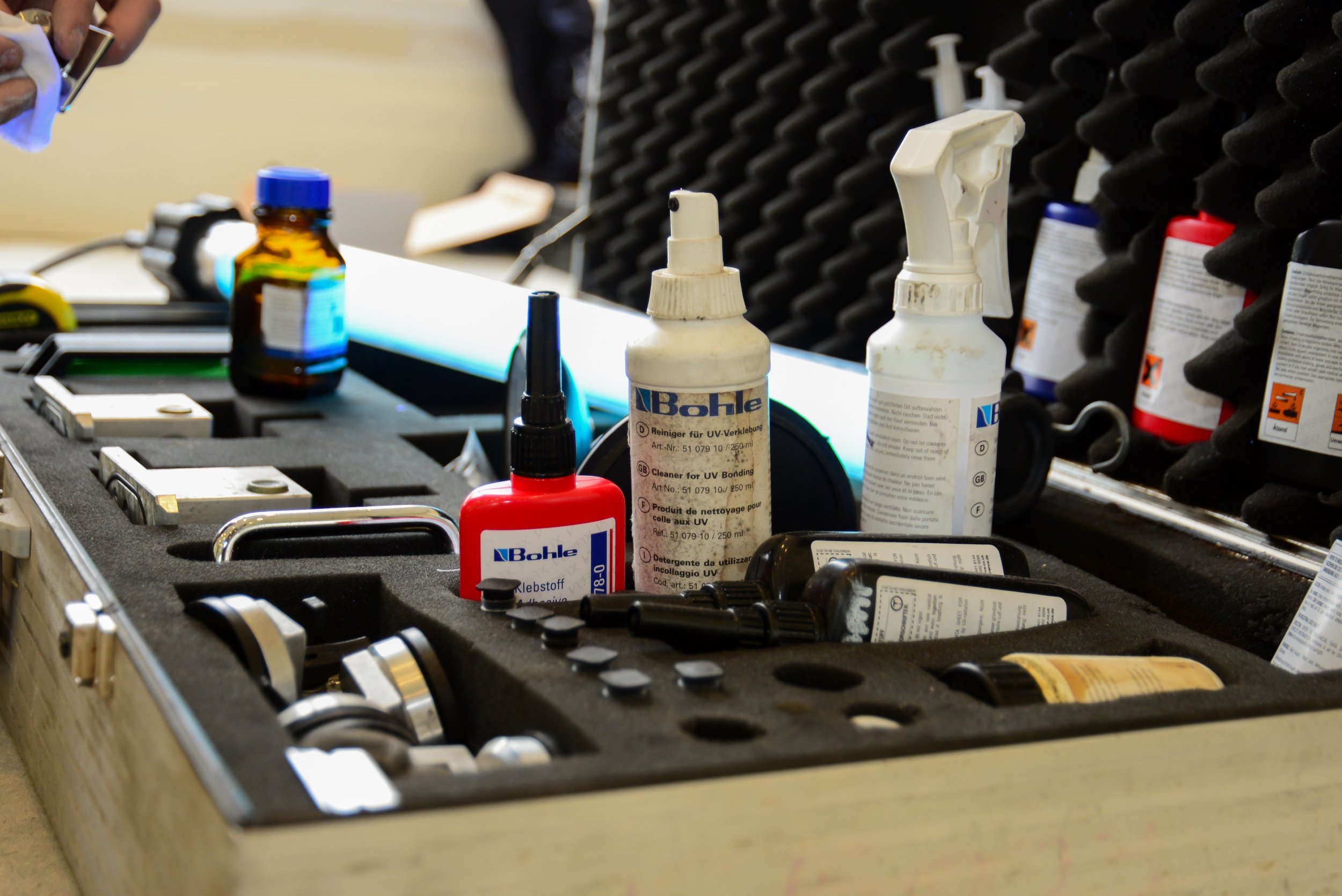
UV Bonding Equipment & Adhesives
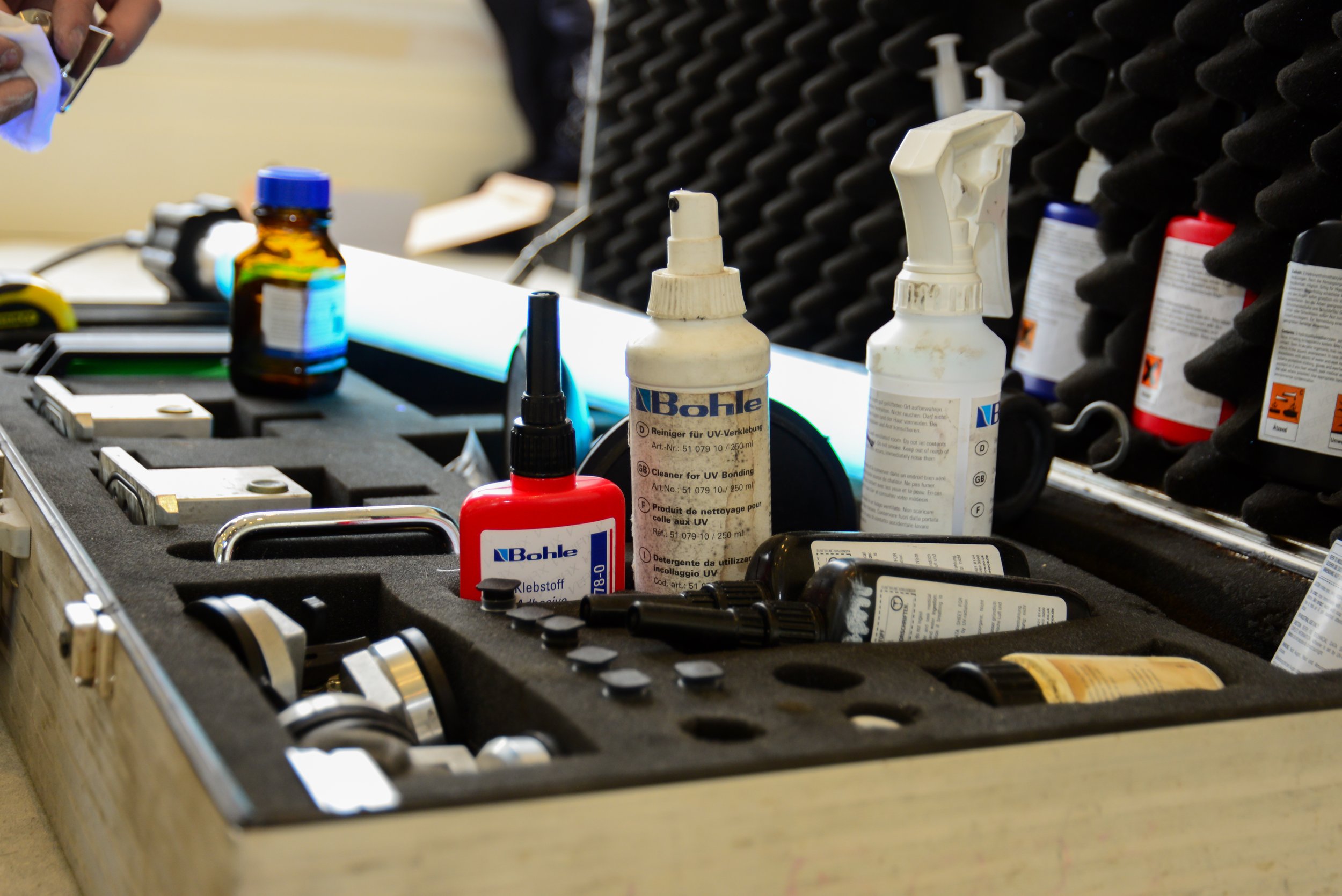
UV bonding requires specialist adhesives, precision tools and controlled ultraviolet curing equipment designed specifically for architectural glass fabrication. Professional systems such as Bohle UV bonding adhesives are commonly used in the glass industry to create strong, crystal-clear bonds between glass panels and metal fittings.
Before bonding begins, the glass surfaces must be carefully cleaned and prepared to remove dust, oils and contaminants. The UV adhesive is then applied between the glass components and cured using ultraviolet light, creating a permanent transparent joint.
This process allows frameless glass structures to be manufactured with exceptional clarity and strength.
UV Bonded Glass – Frequently Asked Questions
What is UV bonding in glass fabrication?
UV bonding is a specialist process where a clear adhesive is applied between glass components and cured using ultraviolet light. The UV light activates the adhesive and creates a strong, transparent bond between the surfaces. This allows glass panels to be joined without visible fixings, screws or brackets.
Is UV bonded glass strong?
Yes. When applied correctly, UV bonding creates a very strong and durable bond between glass components. It is widely used for display cabinets, glass furniture, shelving systems and retail showcases where both strength and appearance are important.
What types of glass can be UV bonded?
Most types of architectural glass can be UV bonded, including:
✔ toughened safety glass
✔ laminated safety glass
✔ low iron ultra-clear glass
✔ polished edge glass panels
The edges must be accurately polished and aligned to ensure a clean and invisible bond.
Can glass be bonded to metal using UV adhesive?
Yes. UV bonding adhesives can be used to attach metal fittings, brackets and hardware directly to glass surfaces. This technique is often used for glass shelving brackets, display cabinet hardware and specialist glass structures.
Where is UV bonded glass commonly used?
UV bonded glass structures are commonly used in:
✔ museum display cases
✔ jewellery shop display cabinets
✔ glass retail showcases
✔ bespoke glass furniture
✔ exhibition display cabinets
✔ glass shelving systems
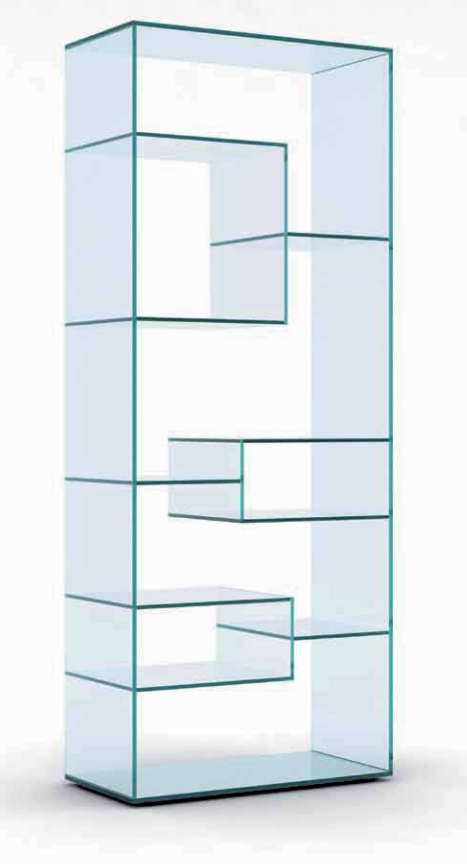
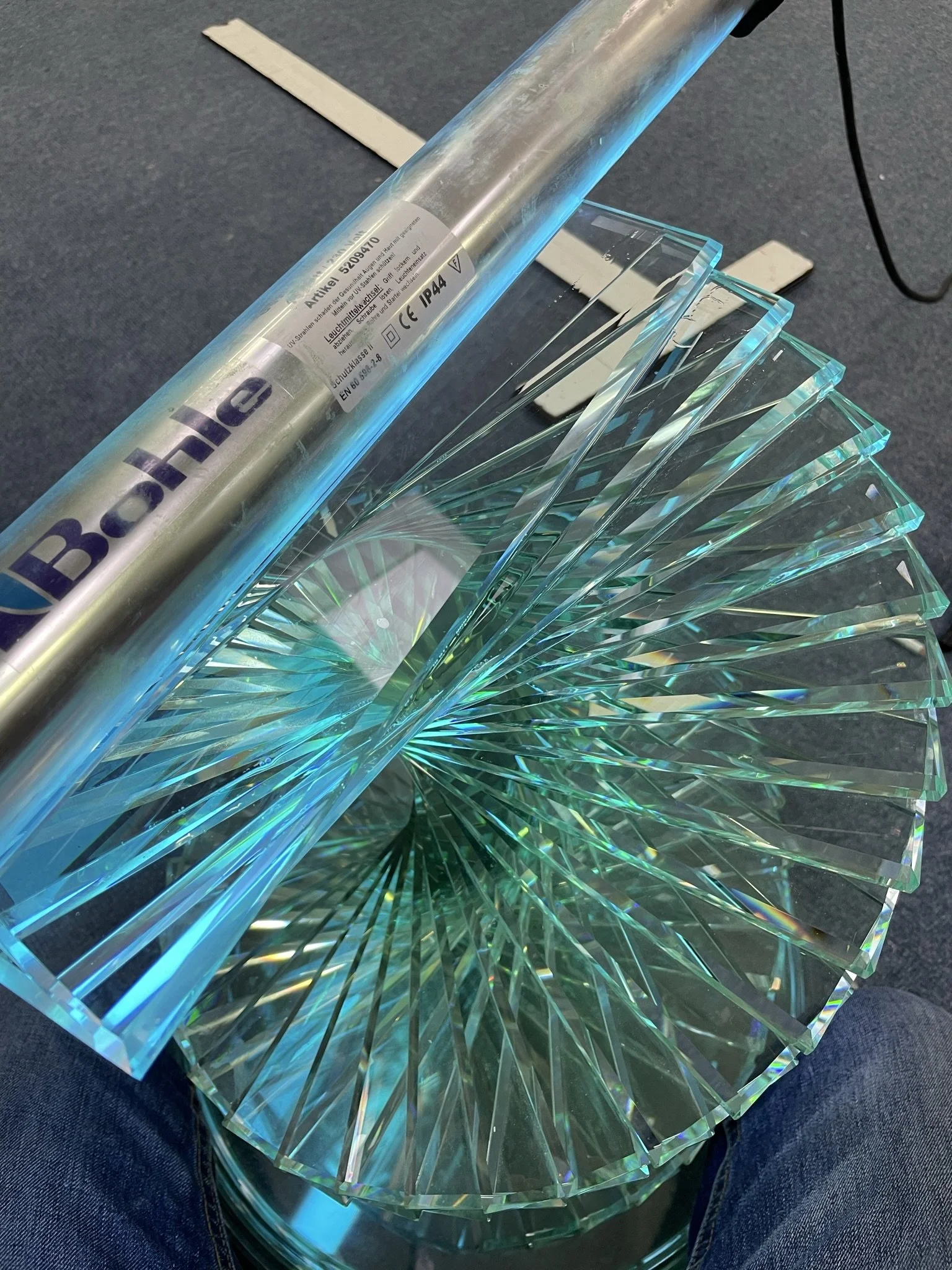
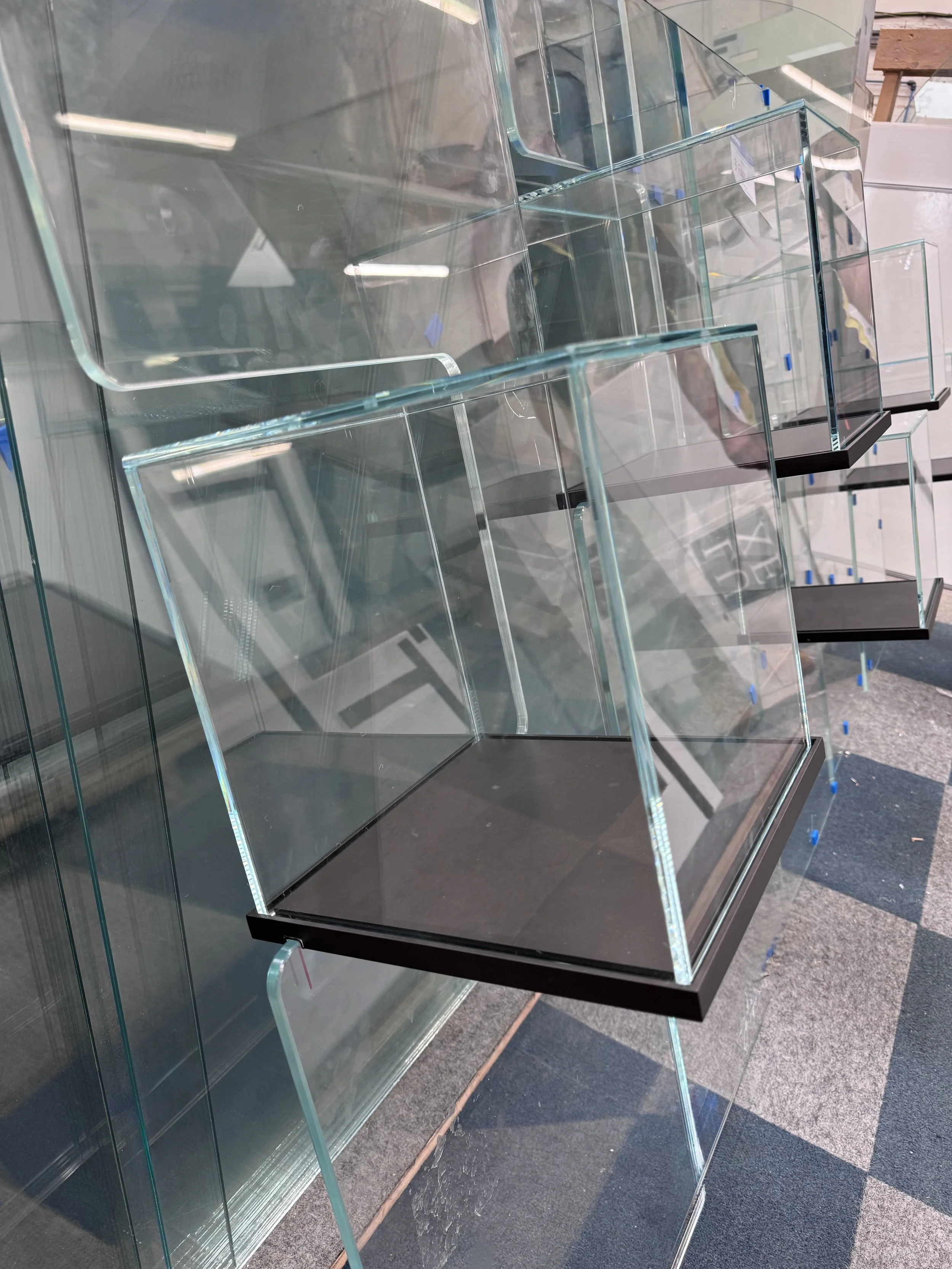
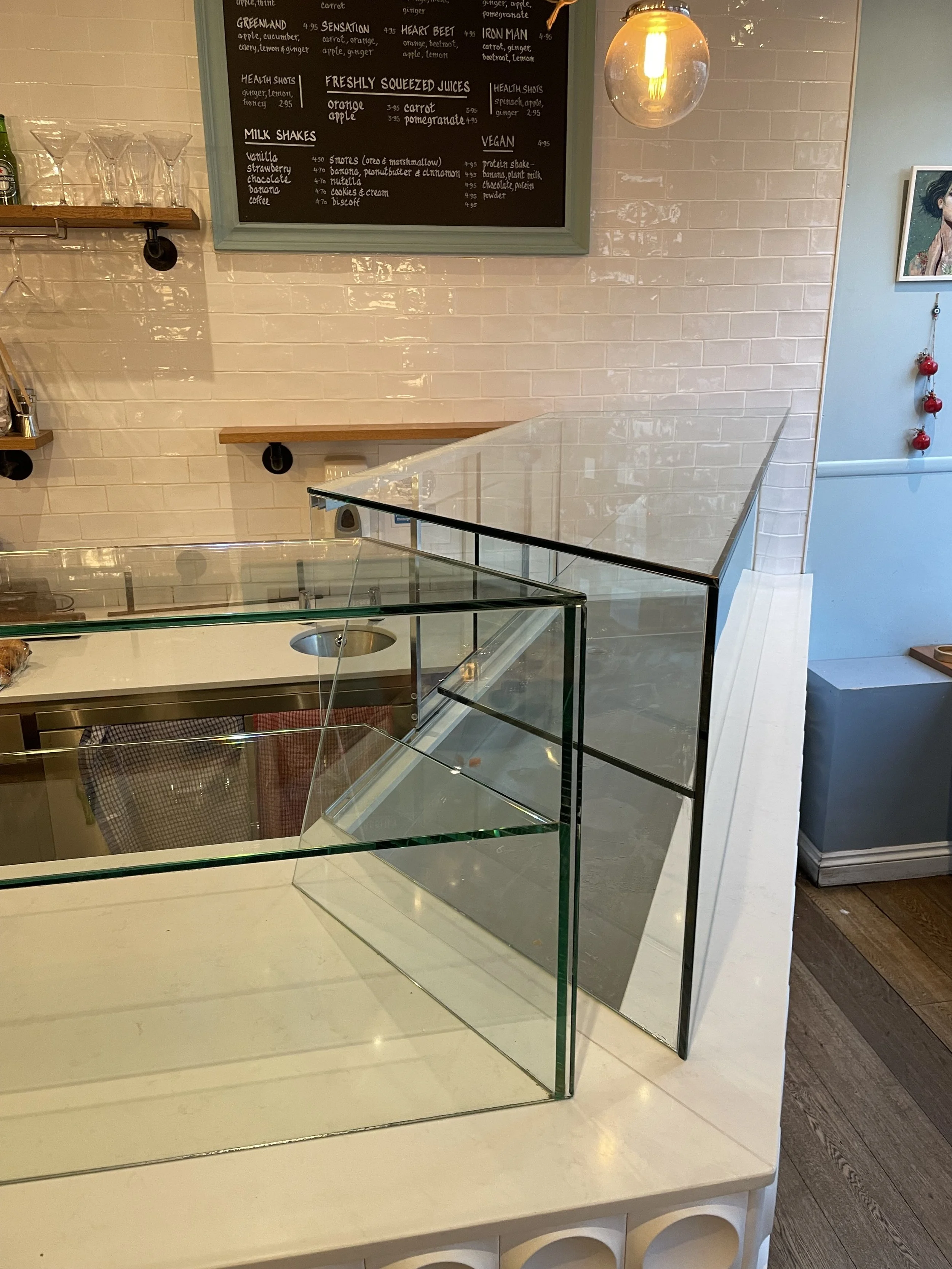
Below are examples of UV bonded glass structures, museum display cabinets and bespoke glass fabrication projects manufactured by Hamilton Glass Products.
Why do museums use UV bonded glass display cases?
Museums often use UV bonded glass display cabinets because they offer maximum visibility and minimal visual obstruction. Frameless glass cases allow artefacts and exhibits to be clearly viewed while still providing strong structural support.
What is the difference between UV bonding and silicone bonding?
UV bonding creates a rigid, crystal-clear bond that is almost invisible once cured. Silicone bonding, on the other hand, remains flexible and usually leaves a visible joint. UV bonding is typically preferred for display cabinets and glass furniture where appearance is important.
Can UV bonded glass be repaired?
In most cases, UV bonded joints are permanent. If a bonded component becomes damaged, the glass panel is usually replaced and re-bonded rather than repaired.
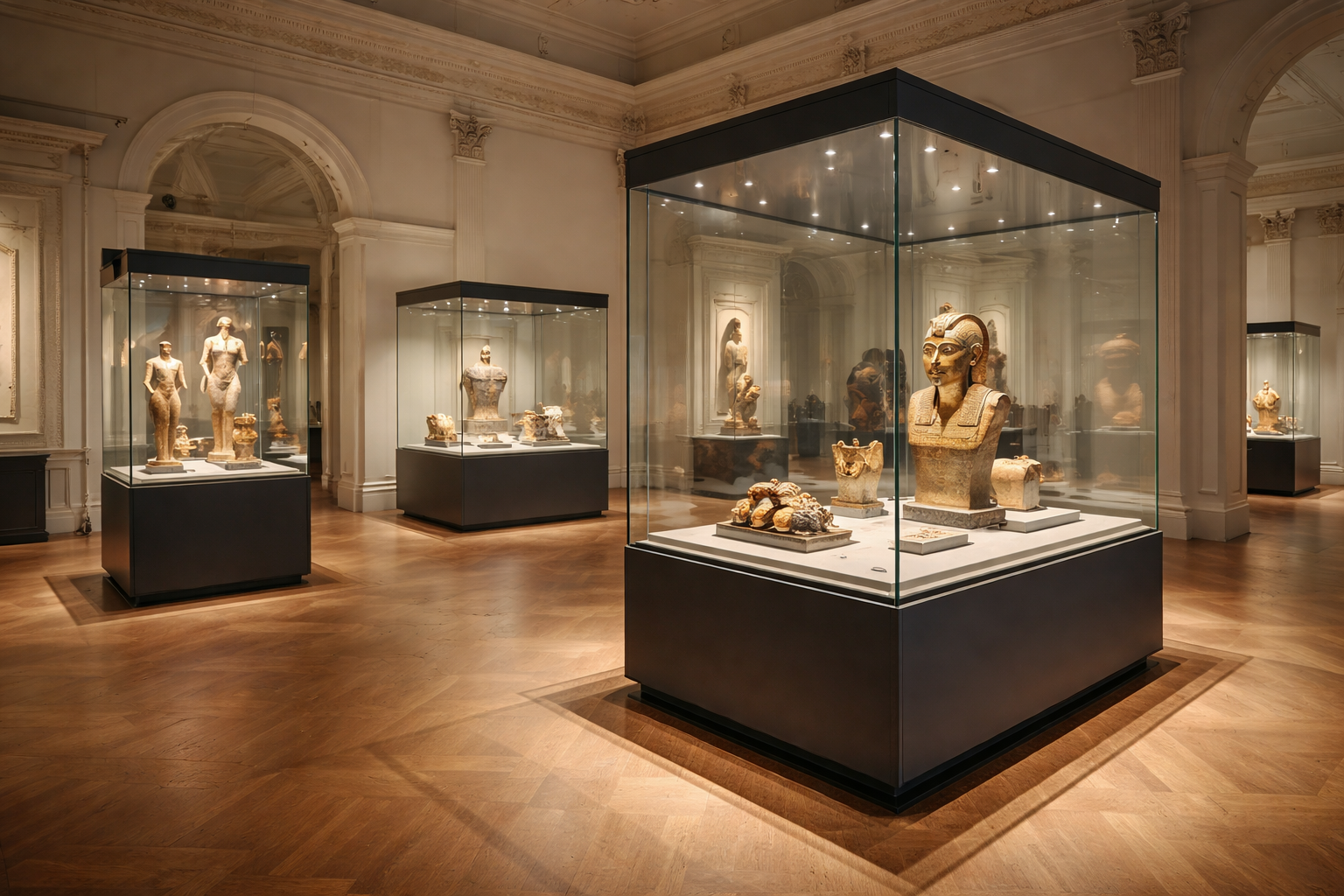
Frameless UV bonded glass display cabinets are widely used in museums, galleries and luxury retail environments where maximum visibility and minimal visual obstruction are essential.